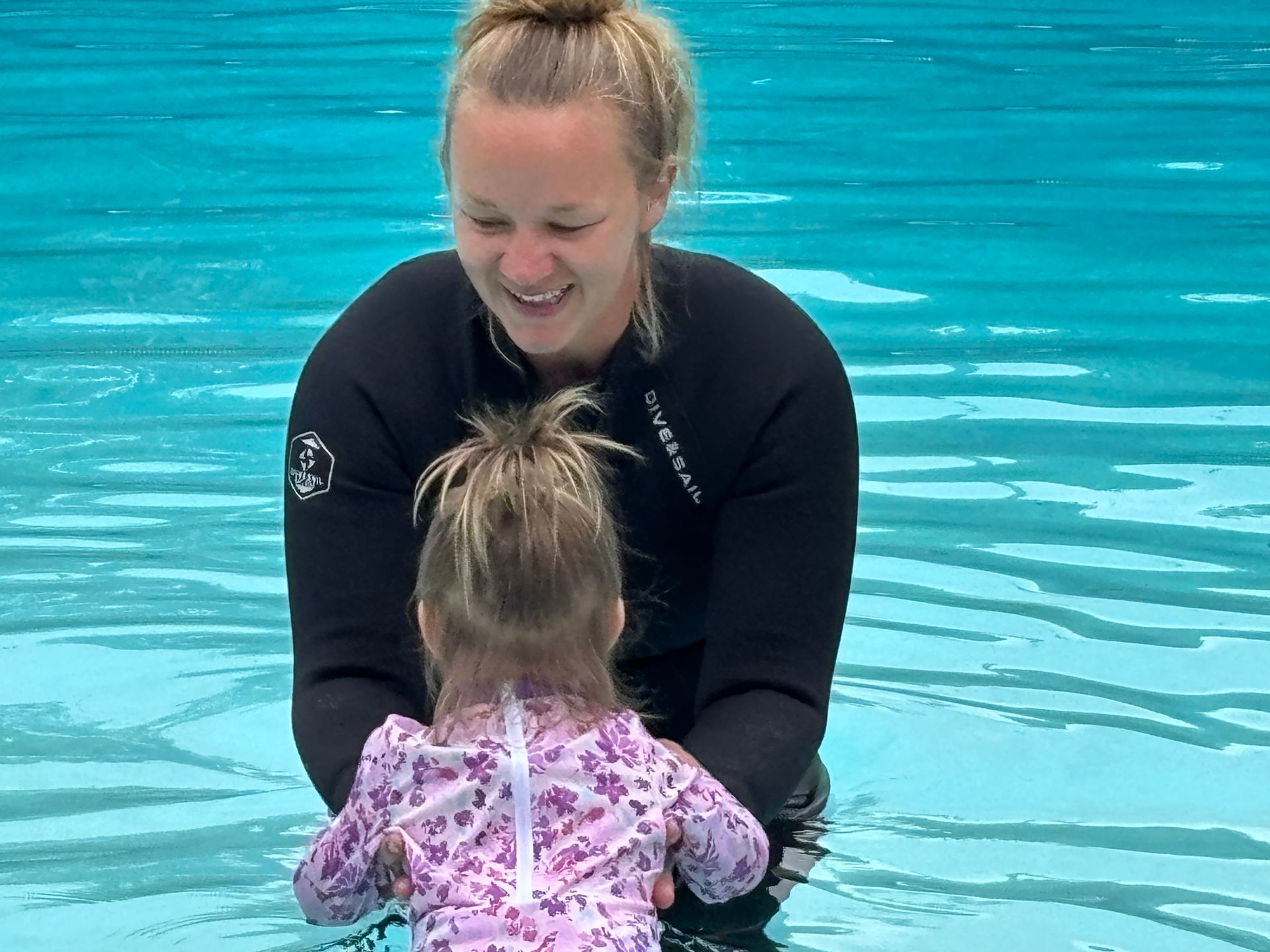
Let’s be honest: when most parents think about their child’s "first sport," they usually picture tiny humans in oversized shin guards tripping over a soccer ball, or a t-ball game where the biggest challenge is keeping the kids from eating the dirt in the infield. While those sports are undeniably cute (and provide excellent photo ops), there is one sport that stands head and shoulders: and maybe a splash or two: above the rest. We’re talking about swimming. At Love to Swim, we aren't just fans of the water; we’re advocates for it. We welcome swimmers of all abilities, from children who are simply getting started to those who benefit from adaptive support. Our expertise in individualized coaching means every child gets expert attention, a strong safety foundation, and instruction shaped around how they learn best. We believe the pool is the absolute best place to start a child’s athletic journey. Here is why swimming should be the "First Sport" on every parent’s list. 1. The Only Sport That Can Save a Life If your child misses a goal in soccer, the stakes are low. If they strike out in t-ball, they still get a juice box. But swimming is the only sport that is also a critical, life-saving skill. Drowning remains a leading cause of accidental death for young children. However, formal swim lessons can reduce that risk by up to 88% for children aged 1–4. That is why water safety should come first. Learning how to float, find the edge, exit the pool, and respond calmly in the water isn't just an extracurricular activity: it’s essential. Our coaching puts these vital safety benchmarks first. We aren't just teaching a backstroke; we are building habits that help protect children in and around the water, give parents peace of mind, and create safer swimmers for life. Because our instruction is individualized, every student benefits from the same expert attention to safety, skill-building, and confidence. Our all-abilities experience, including adaptive coaching, helps us meet each child where they are and move them forward with care. 2. Building Better Brains (The "Wet" Classroom) Did you know that swimming can actually make your kid smarter? It sounds like a bold claim, but the science is there. A major study by Griffith University found that children who start swimming early are often 6 to 15 months ahead of their peers in cognitive skills, math, and language. Why? Because swimming is a full-brain workout. Cross-Body Coordination: The movements required for swimming (like moving the left arm while the right leg kicks) force the two hemispheres of the brain to communicate. This builds neural pathways that help with reading, writing, and logical reasoning. Sensory Integration: The water provides a unique sensory environment. The pressure of the water on the skin (proprioception) and the feeling of movement (vestibular input) help children learn to organize sensory information. Focus and Executive Function: Following multi-step instructions from a coach: "Bubble, bubble, breathe, kick": exercises the brain’s ability to focus and sequence tasks. These cognitive benefits matter for all children. Our specialized approach is a benefit for every family, not just swimmers who need extra support. By tailoring instruction to each child, we create a clear, encouraging learning environment that helps every student build rhythm, focus, and confidence in the water. 3. Low Impact, High Reward: The Ultimate Foundation Most sports are hard on a growing body. Concrete courts and turf fields put a lot of stress on tiny joints. Swimming, however, is a "no-sweat" workout that builds incredible strength without the wear and tear. Thanks to buoyancy, the water supports 90% of the body’s weight. This makes it an ideal environment for children to build strength, flexibility, and cardiovascular health with less impact on growing bodies. It’s the ultimate "low impact, high reward" scenario. While they think they’re just splashing around, they are actually developing core stability and lung capacity. This physical foundation makes them better athletes when they eventually do decide to try soccer, dance, or gymnastics later on. 4. Confidence That Sticks There is a specific kind of magic that happens when a child realizes they can navigate an environment where they can’t naturally breathe. Mastering the water is a massive confidence booster. In our inclusive swimming programs, we see it every day: a child who was terrified of the water at lesson one is suddenly "superman-gliding" across the pool by lesson six. That feeling of "I can do this" doesn’t stay in the pool. It follows them to the playground, the doctor’s office, and the first day of school. We celebrate every milestone, no matter how small. Whether it’s a first bubble blown or a first independent lap, we focus on empowering each child to embrace their own growth. 5. Inclusion: A Sport for Every Body At Love to Swim, we believe the pool should be the most inclusive place on earth. While many youth sports can feel competitive or overwhelming, swimming is naturally adaptable and rooted in a skill every child needs. We have deep expertise in individualized swim lessons, including all-abilities and adaptive coaching for swimmers who need extra support, but our school is for every family. The truth is that every child benefits from personalized instruction. Our approach isn't "one size fits all." We meet every child where they are: whether they are a future Olympian, a cautious beginner, or simply learning how to be safe and comfortable in the water. Our mission is to remove financial and physical barriers, ensuring that every child, regardless of ability or income, has access to these life-saving skills. We are currently working toward opening our very own dedicated indoor public swim school in the future to provide even more space for our community to grow. Success is a Series of Splashes Take Tristan, for example. In 2020, "T-man" reached a huge milestone by successfully floating on his back with help. It wasn't just a "swim skill": it was a breakthrough in trust, coordination, and sensory regulation. These are the moments that drive us. Make Swimming Your Child's First Sport Whether you have a cautious beginner, a confident kid ready to jump in, or a child who benefits from extra support, swimming is the answer. Our expert, individualized instruction is designed for every student. It builds a safer, smarter, and more confident child, one lap at a time. Ready to start your child’s swimming journey? Visit our website at www.lovetoswim.net to register for lessons and join our community today! Join us at Love to Swim, where every child is empowered to thrive, grow, and( most importantly( love the water.))
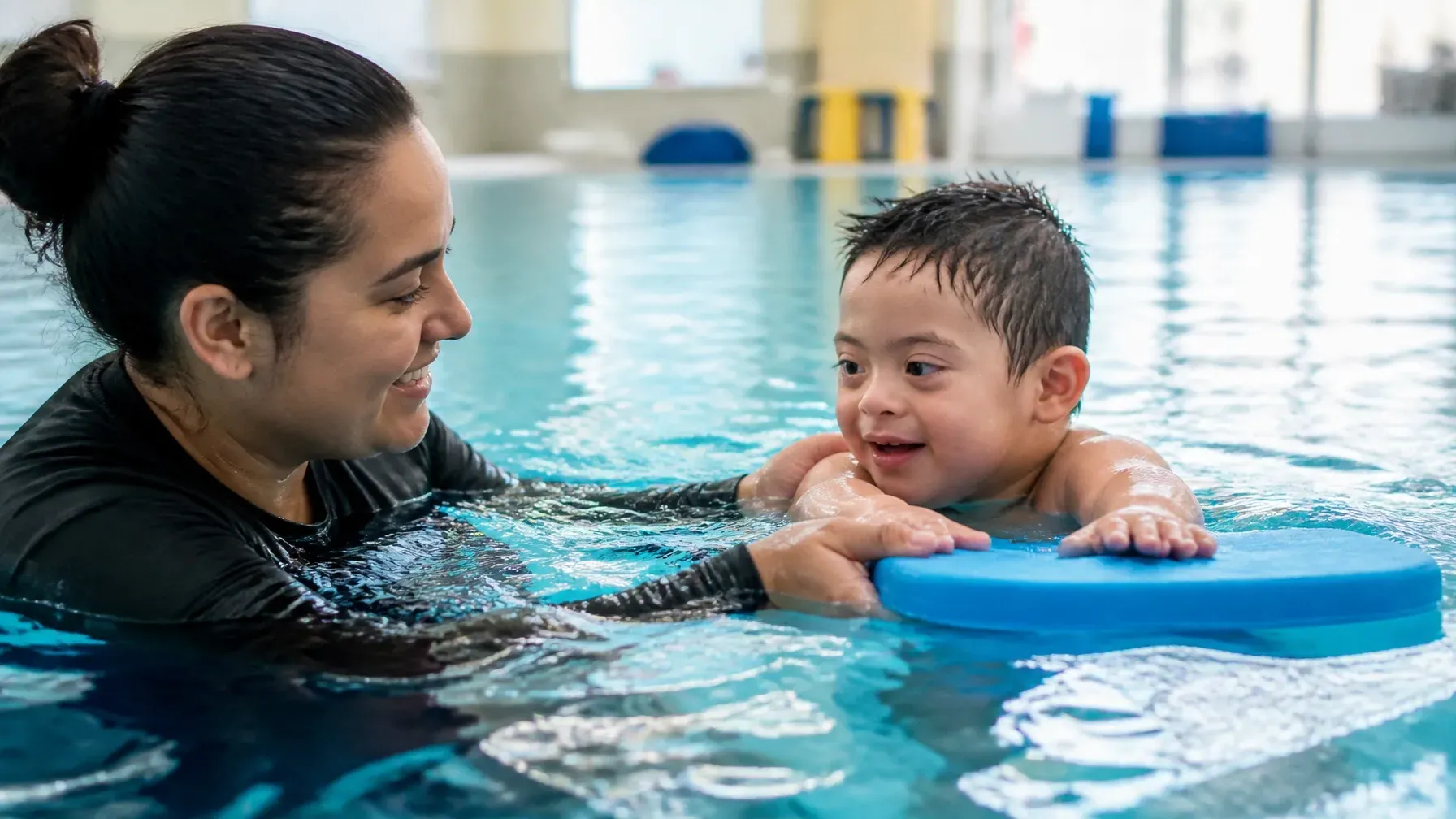
For many families, swimming lessons are a rite of passage: a summer tradition of splashes and goggles. But for a child with a disability, the pool deck can feel like a daunting world of echoes, temperature shifts, and complex motor demands. At Love to Swim , we know that progress isn’t always measured by the length of a lap or the speed of a stroke. In the world of adaptive aquatics , the most significant victories are often the ones that happen quietly beneath the surface. We call these the "hidden milestones." When you enroll your child in special needs swim lessons , you aren’t just teaching them to swim; you are empowering them to master their environment, regulate their senses, and build a foundation of safety that lasts a lifetime. 1. The Foundation: Emotional Safety and Trust Before a single bubble is blown, the most critical milestone must be achieved: trust. For a child who experiences the world differently: whether due to autism, Down syndrome, or physical challenges: entering a pool is an act of immense courage. The first "win" we celebrate is when a child willingly enters the pool area while staying regulated. This might look like standing at the edge without distress or allowing an instructor to stand close by. Through specialized, individualized coaching, we move from being a "stranger in a rash guard" to a trusted guide. When a child makes eye contact, offers a high-five, or recovers from a minor splash with our support instead of needing to leave the water, they have achieved a massive emotional milestone. This trust is the gateway to every physical skill that follows. 2. Sensory Regulation: The Therapeutic Magic of Water The pool is a unique sensory environment. For some, the hydrostatic pressure of the water acts as a "liquid hug," providing calming input to the nervous system. For others, the sound of splashing or the feeling of water on their face can be overwhelming. In our special needs swim lessons , we treat sensory acclimation as a core skill. Milestones in this category include: Tolerating the environment: Wearing goggles or a swim cap without sensory overload. Water contact: Progressing from touching water with hands to allowing water to be poured over the head. Vestibular tolerance: Feeling comfortable while rocking, swaying, or floating in a horizontal position. When a child who previously feared water on their face finally leans in to blow a bubble, they aren't just learning a swim skill: they are learning how to process sensory information and stay calm under pressure. 3. Breath Control: More Than Just Bubbles Breath control is a vital safety skill, but it is also a powerful tool for self-regulation. Teaching a child to intentionally hold their breath or exhale underwater gives them control over their own body. We break this down into micro-steps: Awareness: Noticing the difference between air and water. Intentional Exhalation: Blowing bubbles with the mouth, then the nose. Rhythmic Breathing: Learning to pause and hold breath on a clear cue (like "1, 2, 3, dip"). Mastering breath control is often the turning point where a swimmer moves from surviving the water to enjoying it. It is a fundamental part of water safety for children with autism, where impulsive entry can be a high risk. 4. Body Awareness and Proprioception Water provides a level of support and resistance that is impossible to replicate on land. For children with physical disabilities or low muscle tone, the pool offers a "level playing field" where they can explore movement without the constraints of gravity. We celebrate milestones like: Independent Floating: The moment a child maintains a back float with only light touch support. This is a life-saving skill that provides a "rest station" in the water. Body Positioning: Understanding how to straighten legs or open arms to change their movement. Motor Planning: Coordinating a "scoop" with the arms and a "kick" with the legs. These physical wins translate directly to life on land. Many parents report improved balance, coordination, and even confidence in the playground after consistent time in our swim lessons. 5. The Mission: Removing Financial Barriers At Love to Swim, we believe that water safety is a right, not a luxury. However, we recognize that families of children with disabilities often face significant financial burdens from therapy, medical equipment, and specialized care. That is why we operate as a non-profit organization. Our goal is to provide specialized coaching and financial assistance so that no child is denied life-saving skills due to their bank account. We are currently working toward opening a dedicated indoor public swim school designed specifically for the needs of our community. Every time a donor contributes, they are directly funding these milestones. They are paying for the hour it takes to build trust, the specialized equipment that helps a child float, and the peace of mind that comes when a parent knows their child is safe around water. Join Us in Celebrating Every Win Whether it’s the first time a child puts their ears in the water or the first 5-second independent float, these milestones are the building blocks of a safer, more confident life. We invite you to be a part of our journey: Enroll: If you are looking for adaptive aquatics that meet your child where they are, we are here to help. Support: Your donations help us remove financial barriers for families in need. Spread the Word: Water safety is essential for all, and our specialized approach ensures that "all" really means all. At Love to Swim, we see the person, not the disability. We celebrate the progress, not just the perfection. Let’s get in the water and find those hidden milestones together.
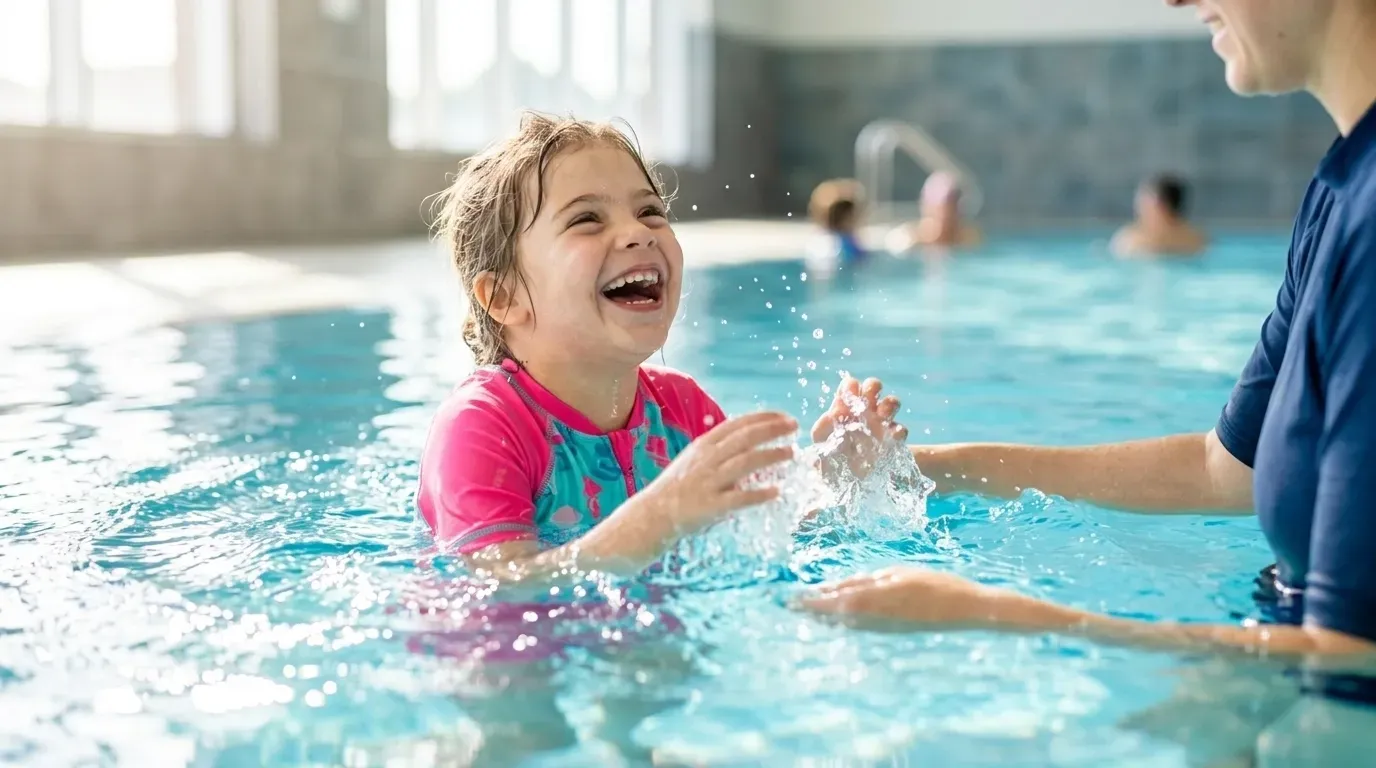
At Love to Swim, we believe the water should be a place of joy, freedom, and safety for every child. However, for many families in our community, especially those raising children with disabilities or families who simply cannot afford it, the water represents a significant barrier, both physical and financial. We are on a mission to change that, and we want you to be part of the movement. We are thrilled to invite you to our First Annual Gala Fundraiser: Waves of Hope, Tides of Change . This evening is more than just a formal gathering; it is a declaration of our commitment to inclusive water safety and a celebration of the progress we have made together. Event Details Theme: Waves of Hope, Tides of Change Date: Friday, Sept 25, 2026 Time: 5:00 PM – 9:00 PM Location: Teri Inc., 555 Deer Springs Road Tickets: Purchase Tickets Here Why We Swim: The Vital Importance of Water Safety Water safety is an essential life skill, but for neurodivergent children and those with physical disabilities, it is a critical necessity. Research shows that drowning remains a leading cause of accidental death for children, particularly those between the ages of 1 and 4. However, the statistics for children with disabilities are even more staggering. Neurodivergent children are nearly 160 times more likely to experience a drowning incident than their neurotypical peers. Many children with autism spectrum disorder (ASD) are naturally drawn to water, captivated by its reflections, its sound, and its sensory input, but they often lack an inherent understanding of the dangers it poses. This combination of attraction and lack of hazard awareness creates a "silent risk" that keeps parents awake at night. At Love to Swim, we provide the specialized, individualized coaching needed to navigate these risks. Our instructors are trained to work with children who may struggle with traditional teaching methods, using patience, adaptive equipment, and sensory-friendly techniques to build confidence and competence. Removing Barriers to Life-Saving Skills While our for-profit arm, learn2swim , provides high-quality lessons to the general public, our non-profit, Love to Swim , was born out of a clear need for accessibility. Specialized swim lessons require more time, more training, and often a higher ratio of instructors to students. These factors frequently lead to higher costs, costs that many families, simply cannot afford. We believe that a child’s safety should never depend on their family’s bank account. Our non-profit mission is dedicated to: Providing Financial Assistance: Offering scholarships and subsidized lessons for families in need. Specialized Inclusive Coaching: Designing curriculum specifically for vulnerable populations, including adults and youth with disabilities. Community Advocacy: Educating the community on the importance of specialized water safety . When you join us at the Gala, you aren't just buying a ticket; you are directly funding a scholarship that could save a child’s life. The Vision: A Dedicated Home for Every Swimmer Our long-term goal is as clear as the water in our pools: we are working toward opening a dedicated indoor public swim school in the near future . Currently, many inclusive programs have to share space with general public pools, which can be noisy, overwhelming, and lacking the specific accessibility features our swimmers need. A dedicated facility will allow us to control the environment, regulating water temperature for sensory comfort, minimizing auditory distractions, and ensuring every inch of the building is fully accessible. This Gala is a major milestone in our "Road to that accessibility." Every dollar raised brings us closer to laying the foundation for a facility that will serve our community for decades to come. We want to create a space where families feel seen, supported, and safe. What to Expect at the Gala The "Waves of Hope, Tides of Change" Gala will be an evening of inspiration and community connection. Set against the beautiful backdrop of Teri Inc., the event will feature: An Inspiring Program We will share stories from families whose lives have been changed by our programs. You will hear firsthand about the moment a child first blew bubbles, the first time a parent felt peace near a pool, and the breakthroughs that happen when we stop saying "no" and start saying "how can we help?" Silent and Live Auctions Get ready to bid on an array of incredible items and experiences! From local getaways to exclusive memorabilia, our auction is a fun way to support the cause while taking home something special. All proceeds go directly toward our scholarship fund and building project. Community and Connection Meet our team, our board members, and fellow community advocates who share your passion for advocacy and youth empowerment. We are a community-driven organization, and this event is a chance to strengthen those bonds. Beyond the Gala: The Therapeutic Power of Water For many of our swimmers, the benefits of the pool extend far beyond safety. The water is a therapeutic environment unlike any other. Sensory Relief: For children with auditory sensitivities, the water provides a muffling effect that calms the central nervous system. Physical Freedom: For those with physical disabilities, the buoyancy of the water provides a sense of weightlessness and freedom of movement that they may not experience on land. Confidence Building: Mastering a skill in the water translates to confidence in everyday life. When a child overcomes their fear of the deep end, they learn that they can overcome obstacles anywhere. How You Can Help There are several ways to support our mission during this Gala season: Attend the Event: Purchase your tickets today at Zeffy . Bring a friend, a colleague, or a family member. Become a Sponsor: We offer various sponsorship levels for local businesses looking to make a high-impact contribution to the community. Donate Directly: If you cannot attend the event, you can still make a difference by visiting our donation page . Spread the Word: Share this blog post on social media and tell your friends why water safety for children with disabilities matters to you. Our Commitment to You At Love to Swim, we take our role as stewards of your generosity seriously. We are an equal opportunity program open to all, with a laser focus on those who need us most. We are committed to transparency, excellence in coaching, and the relentless pursuit of our mission and vision. We invite you to stand with us. Let’s turn the "Waves of Hope" into a reality for every child in our community. Let’s ensure the "Tides of Change" lead us toward a future where no child is left behind because of their abilities or their financial situation. Join Us We can’t wait to see you on September 25th. Together, we can create a safer, more inclusive world, one stroke at a time. Get Your Tickets Now For more information about our programs or the upcoming gala, please contact our team . We look forward to celebrating with you!

The Strawberry Festival on May 24 offers more than just sweet treats and fun activities. It’s a perfect opportunity to connect with neighbors, enjoy the festivities, and learn about important community issues. One of the key highlights this year is the booth hosted by us Love to Swim, where visitors can engage in meaningful conversations about drowning prevention, the need for more aquatic infrastructure, and the life saving benefits of swim lessons. Why Drowning Prevention Matters in Our Community Drowning remains a leading cause of accidental death, especially among children. According to the Centers for Disease Control and Prevention (CDC), about 3,500 people die from drowning each year in the United States, with many incidents happening in residential pools, lakes, and other local water bodies. This makes drowning prevention a critical public health issue that requires community awareness and action. At the festival, Love to Swim will share practical tips and resources to help families and individuals reduce drowning risks. These include: Always supervising children near water Learning CPR and emergency response techniques Installing barriers around pools and water features Encouraging swim lessons for all ages By raising awareness, the community can work together to create safer environments and reduce preventable tragedies. The Need for More Aquatic Infrastructure Access to safe swimming facilities is essential for drowning prevention and promoting healthy lifestyles. Unfortunately, many neighborhoods lack adequate aquatic infrastructure such as public pools, splash pads, and swim centers. This limits opportunities for residents to learn swimming skills and enjoy water activities safely. At the festival booth, visitors can discuss the current gaps in aquatic infrastructure and explore ways to advocate for improvements. Some key points include: Building more public pools in under served areas Offering affordable swim programs for children and adults Creating safe, supervised water play areas in parks Partnering with local schools to include swimming in physical education Improving aquatic infrastructure not only supports drowning prevention but also encourages physical activity, social connection, and mental well being. How Swim Lessons Save Lives Swim lessons are one of the most effective ways to prevent drowning. Learning to swim builds confidence, teaches water safety skills, and prepares individuals to respond in emergencies. Research shows that children who take formal swim lessons have a significantly lower risk of drowning compared to those who do not. At the We Love to Swim booth, festival-goers can learn about different swim lesson programs available in the community. The team will explain: Age-appropriate swim classes for toddlers, kids, teens, and adults The importance of ongoing practice and skill refreshers How swim lessons teach more than just strokes, including water awareness and self-rescue techniques Resources for finding affordable or subsidized swim lessons By promoting swim education, the community can empower more people to enjoy water safely and confidently. Join Us at the Strawberry Festival The Strawberry Festival promises a day full of fun activities, delicious food, and community spirit. Stop by the We Love to Swim booth to: Ask questions about drowning prevention and water safety Share your experiences and ideas for improving aquatic access Pick up free educational materials and safety gear Sign up for swim lessons or volunteer opportunities This event is a chance to connect with others who care about making our community safer and healthier. Whether you are a parent, educator, or simply someone who enjoys swimming, your voice matters. Take Action Beyond the Festival Engaging at the festival is just the beginning. Here are some ways to continue supporting drowning prevention and aquatic access: Advocate for local government investment in aquatic facilities Enroll your family in swim lessons and encourage others to do the same Volunteer with organizations focused on water safety education Share drowning prevention tips with friends and neighbors Support fundraising efforts for community pools and swim programs Together, these actions can create lasting change and save lives.