For many families, swimming lessons are a rite of passage: a summer tradition of splashes and goggles. But for a child with a disability, the pool deck can feel like a daunting world of echoes, temperature shifts, and complex motor demands.
At Love to Swim, we know that progress isn’t always measured by the length of a lap or the speed of a stroke. In the world of adaptive aquatics, the most significant victories are often the ones that happen quietly beneath the surface. We call these the "hidden milestones."
When you enroll your child in special needs swim lessons, you aren’t just teaching them to swim; you are empowering them to master their environment, regulate their senses, and build a foundation of safety that lasts a lifetime.
1. The Foundation: Emotional Safety and Trust
Before a single bubble is blown, the most critical milestone must be achieved: trust. For a child who experiences the world differently: whether due to autism, Down syndrome, or physical challenges: entering a pool is an act of immense courage.
The first "win" we celebrate is when a child willingly enters the pool area while staying regulated. This might look like standing at the edge without distress or allowing an instructor to stand close by.
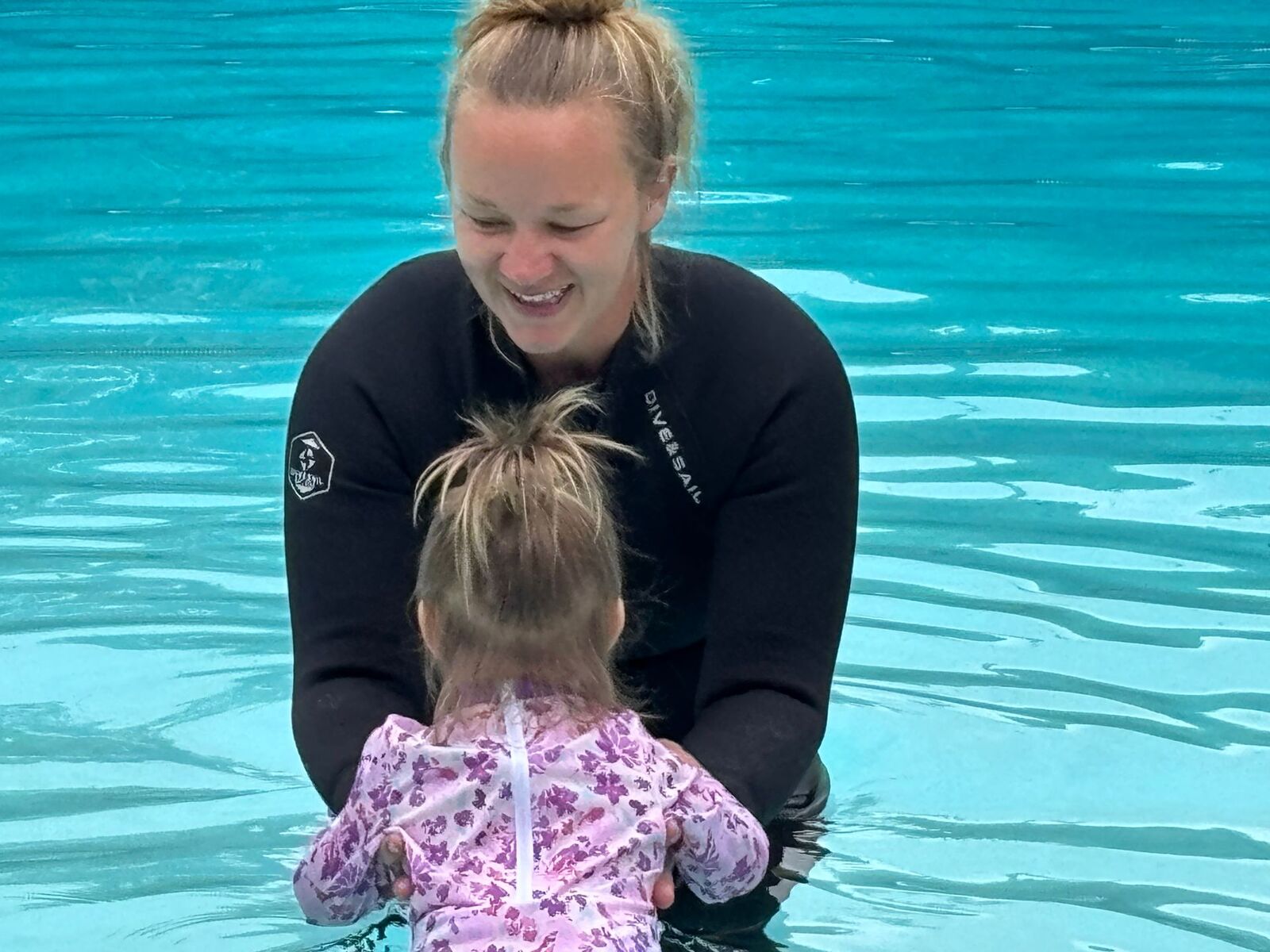
Through specialized, individualized coaching, we move from being a "stranger in a rash guard" to a trusted guide. When a child makes eye contact, offers a high-five, or recovers from a minor splash with our support instead of needing to leave the water, they have achieved a massive emotional milestone. This trust is the gateway to every physical skill that follows.
2. Sensory Regulation: The Therapeutic Magic of Water
The pool is a unique sensory environment. For some, the hydrostatic pressure of the water acts as a "liquid hug," providing calming input to the nervous system. For others, the sound of splashing or the feeling of water on their face can be overwhelming.
In our special needs swim lessons, we treat sensory acclimation as a core skill. Milestones in this category include:
- Tolerating the environment: Wearing goggles or a swim cap without sensory overload.
- Water contact: Progressing from touching water with hands to allowing water to be poured over the head.
- Vestibular tolerance: Feeling comfortable while rocking, swaying, or floating in a horizontal position.
When a child who previously feared water on their face finally leans in to blow a bubble, they aren't just learning a swim skill: they are learning how to process sensory information and stay calm under pressure.
3. Breath Control: More Than Just Bubbles
Breath control is a vital safety skill, but it is also a powerful tool for self-regulation. Teaching a child to intentionally hold their breath or exhale underwater gives them control over their own body. We break this down into micro-steps:
- Awareness: Noticing the difference between air and water.
- Intentional Exhalation: Blowing bubbles with the mouth, then the nose.
- Rhythmic Breathing: Learning to pause and hold breath on a clear cue (like "1, 2, 3, dip").
Mastering breath control is often the turning point where a swimmer moves from surviving the water to enjoying it. It is a fundamental part of water safety for children with autism, where impulsive entry can be a high risk.
4. Body Awareness and Proprioception
Water provides a level of support and resistance that is impossible to replicate on land. For children with physical disabilities or low muscle tone, the pool offers a "level playing field" where they can explore movement without the constraints of gravity.
We celebrate milestones like:
- Independent Floating: The moment a child maintains a back float with only light touch support. This is a life-saving skill that provides a "rest station" in the water.
- Body Positioning: Understanding how to straighten legs or open arms to change their movement.
- Motor Planning: Coordinating a "scoop" with the arms and a "kick" with the legs.
These physical wins translate directly to life on land. Many parents report improved balance, coordination, and even confidence in the playground after consistent time in our swim lessons.
5. The Mission: Removing Financial Barriers
At Love to Swim, we believe that water safety is a right, not a luxury. However, we recognize that families of children with disabilities often face significant financial burdens from therapy, medical equipment, and specialized care.
That is why we operate as a non-profit organization. Our goal is to provide specialized coaching and financial assistance so that no child is denied life-saving skills due to their bank account. We are currently working toward opening a dedicated indoor public swim school designed specifically for the needs of our community. Every time a donor contributes, they are directly funding these milestones. They are paying for the hour it takes to build trust, the specialized equipment that helps a child float, and the peace of mind that comes when a parent knows their child is safe around water.
Join Us in Celebrating Every Win
Whether it’s the first time a child puts their ears in the water or the first 5-second independent float, these milestones are the building blocks of a safer, more confident life.
We invite you to be a part of our journey:
- Enroll: If you are looking for adaptive aquatics that meet your child where they are, we are here to help.
- Support: Your donations help us remove financial barriers for families in need.
- Spread the Word: Water safety is essential for all, and our specialized approach ensures that "all" really means all.
At Love to Swim, we see the person, not the disability. We celebrate the progress, not just the perfection. Let’s get in the water and find those hidden milestones together.